How to Color Space Pages
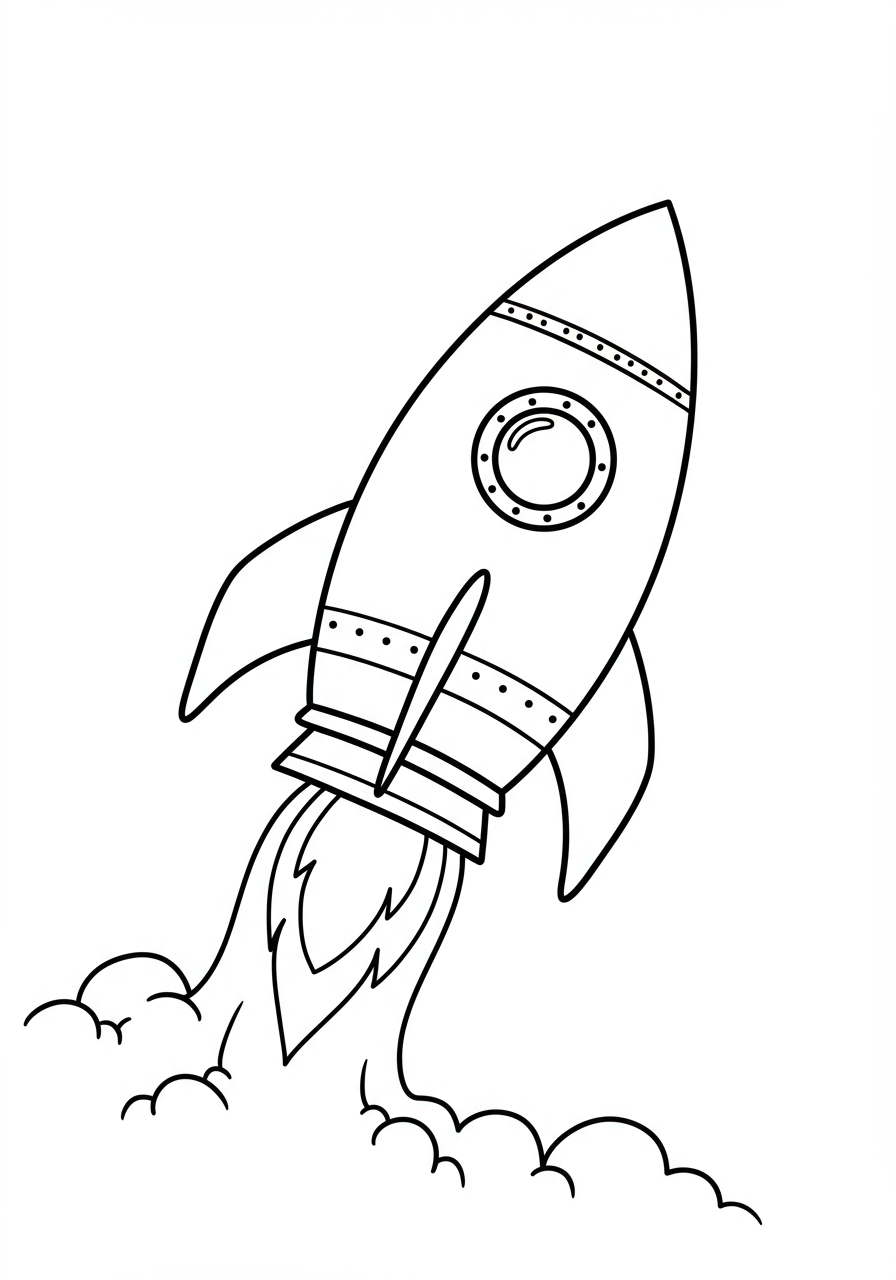
Space coloring pages look most spectacular when you start with the background. Use a dark navy, deep purple, or black to fill the sky area first, then add tiny white or yellow dots for stars. This background-first approach prevents lighter subject colors from being muddied by a dark background added later. For rockets, use bold primary colors — red, white, and blue look classic — with silver or metallic grey for the body panels and engine nozzles.
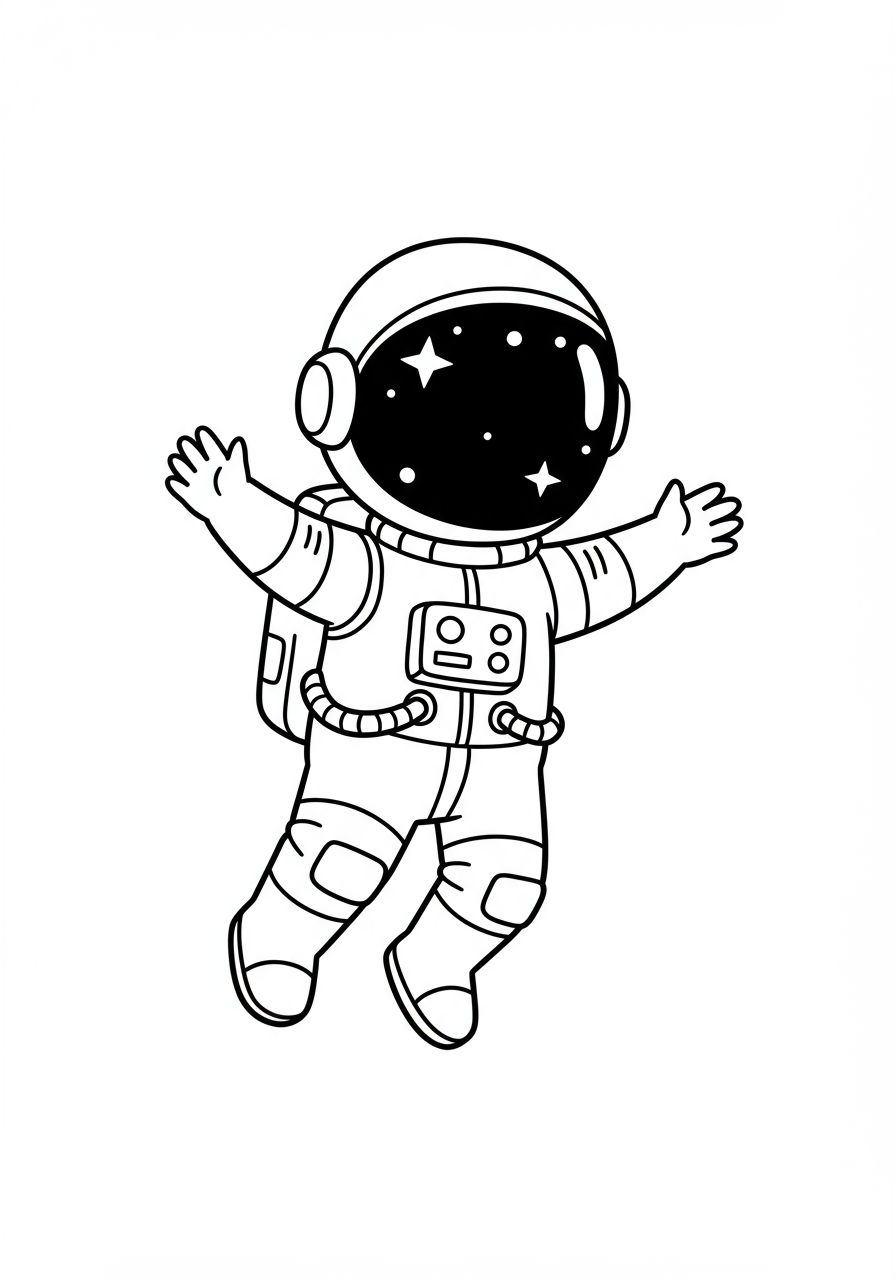
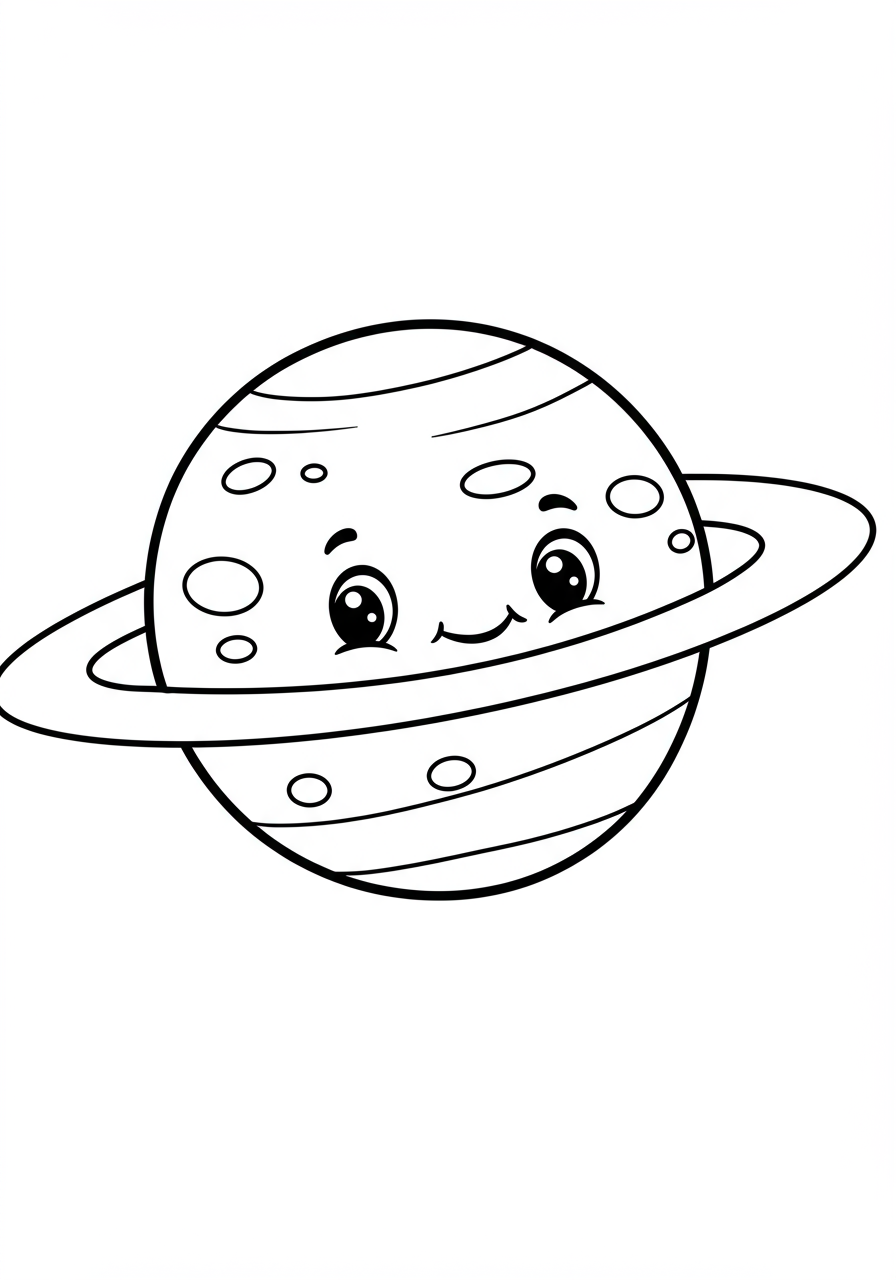
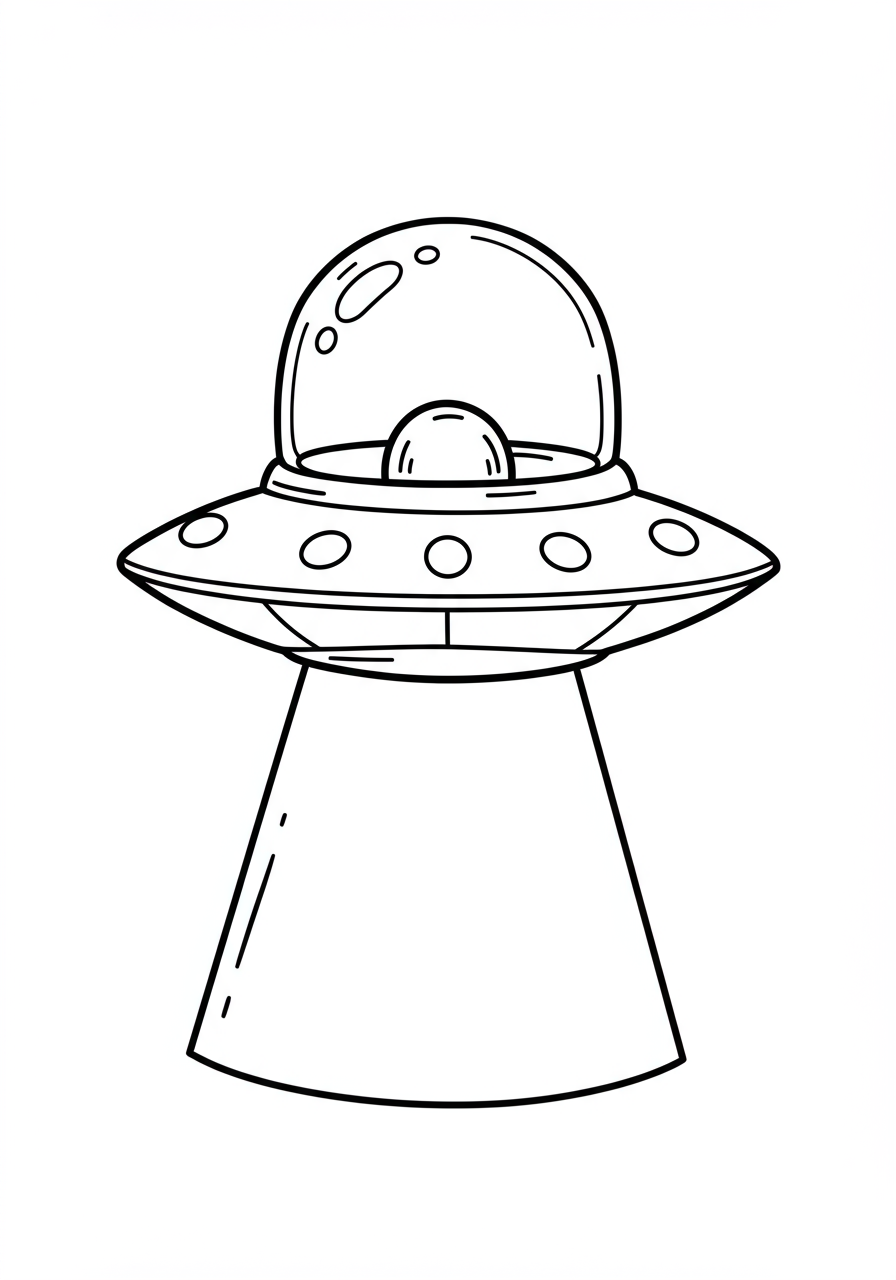
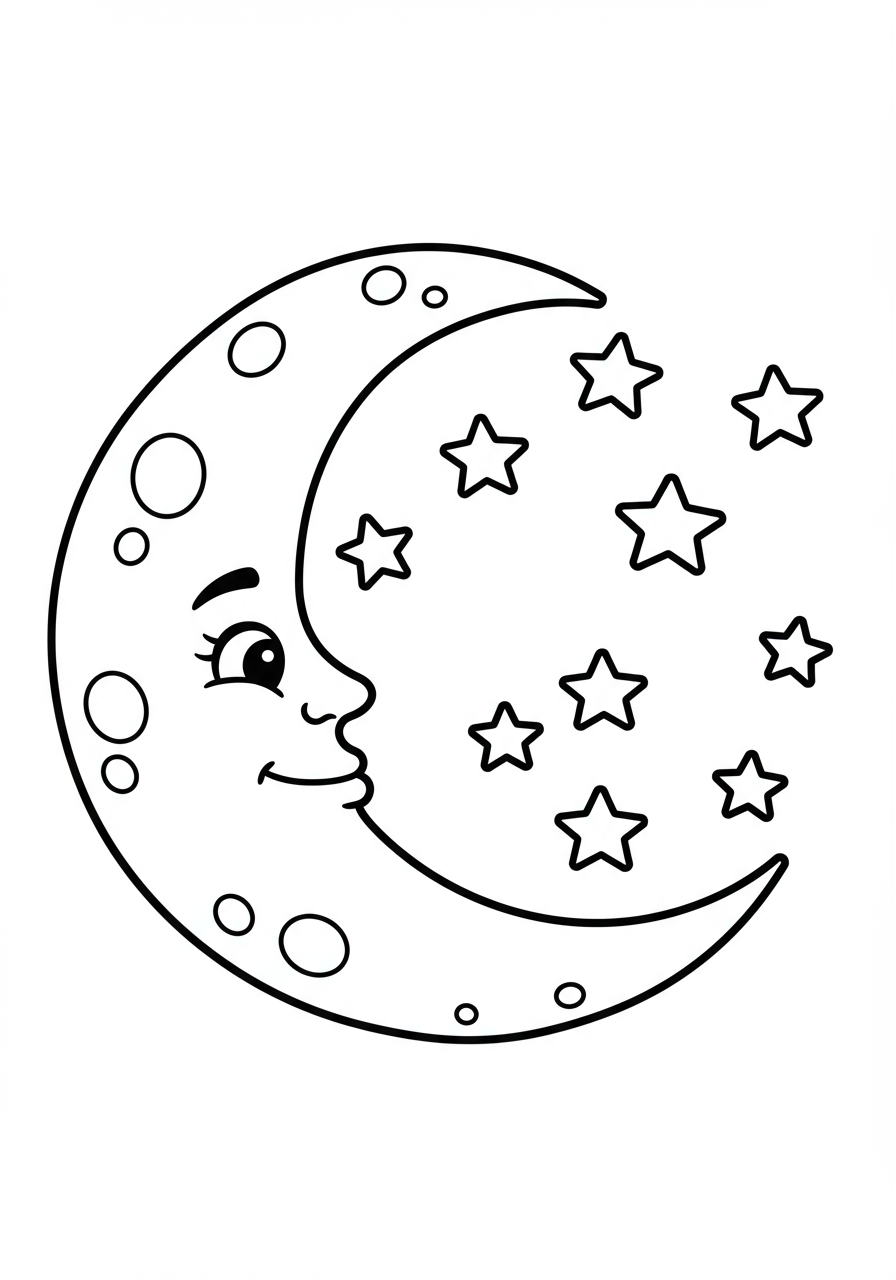
Astronauts look great in white suits with silver helmet visors. For Saturn, use warm golden yellow and tan for the planet body, and soft brown and cream for the rings. The Moon looks realistic in shades of light grey, with darker grey craters. UFOs are a chance to go completely creative — glowing green, electric blue, or chrome silver all work wonderfully. Try adding a glow effect around lights and windows by coloring the area immediately around them in a lighter shade of the same color.
Activity Ideas for Parents & Teachers
- Design a Space Mission Patch: After coloring the rocket or astronaut, design a circular mission patch on a separate paper — just like real NASA mission patches — with a name and logo for the mission.
- Planet Facts Book: Color the Saturn and Moon pages and write facts about each on the back — distance from Earth, size, number of moons — to create a mini solar system guide.
- Space Scene Mural: Tape several colored space pages together on a dark background to create a large classroom space mural, adding hand-drawn comets and constellations.
- Astronaut Career Talk: Use the astronaut page as a prompt to discuss what training astronauts need, what they eat in space, and what it feels like to be weightless.
What Kids Learn from Space Coloring Pages
Space coloring pages naturally introduce STEM concepts in a creative, low-pressure way. Children learn the names and features of planets, the difference between rockets and space shuttles, and what astronauts actually do. Discussing how far away the Moon is, what Saturn's rings are made of, or whether aliens might really exist sparks genuine scientific thinking and curiosity. Many children develop a lifelong love of astronomy and physics through early exposure to space-themed activities — and it all starts with a simple coloring page.
About these Space Coloring Pages
Space-themed coloring pages ignite children's natural sense of wonder about the universe and make for a deeply engaging creative activity. Coloring complex shapes like rocket fins, Saturn's rings, and an astronaut's suit requires careful attention and precise hand movements, building the fine motor skills that underpin good handwriting and drawing ability. The open-ended nature of outer space — where stars, planets, and galaxies can be any color a child can imagine — makes these pages especially freeing for creative expression.
These space coloring sheets are suitable for children aged 4 and older, and are particularly popular with kids who are passionate about science and astronomy. Print on standard white paper for the cleanest contrast. For a stunning result, try coloring the space background first with a deep blue or purple crayon, then use bright yellow and white colored pencils to add stars and highlights. Silver and metallic gel pens work brilliantly for adding a shiny, futuristic look to rockets and UFOs. For older kids, try adding a planet or moon landscape in the background!