How to Color Nature Pages
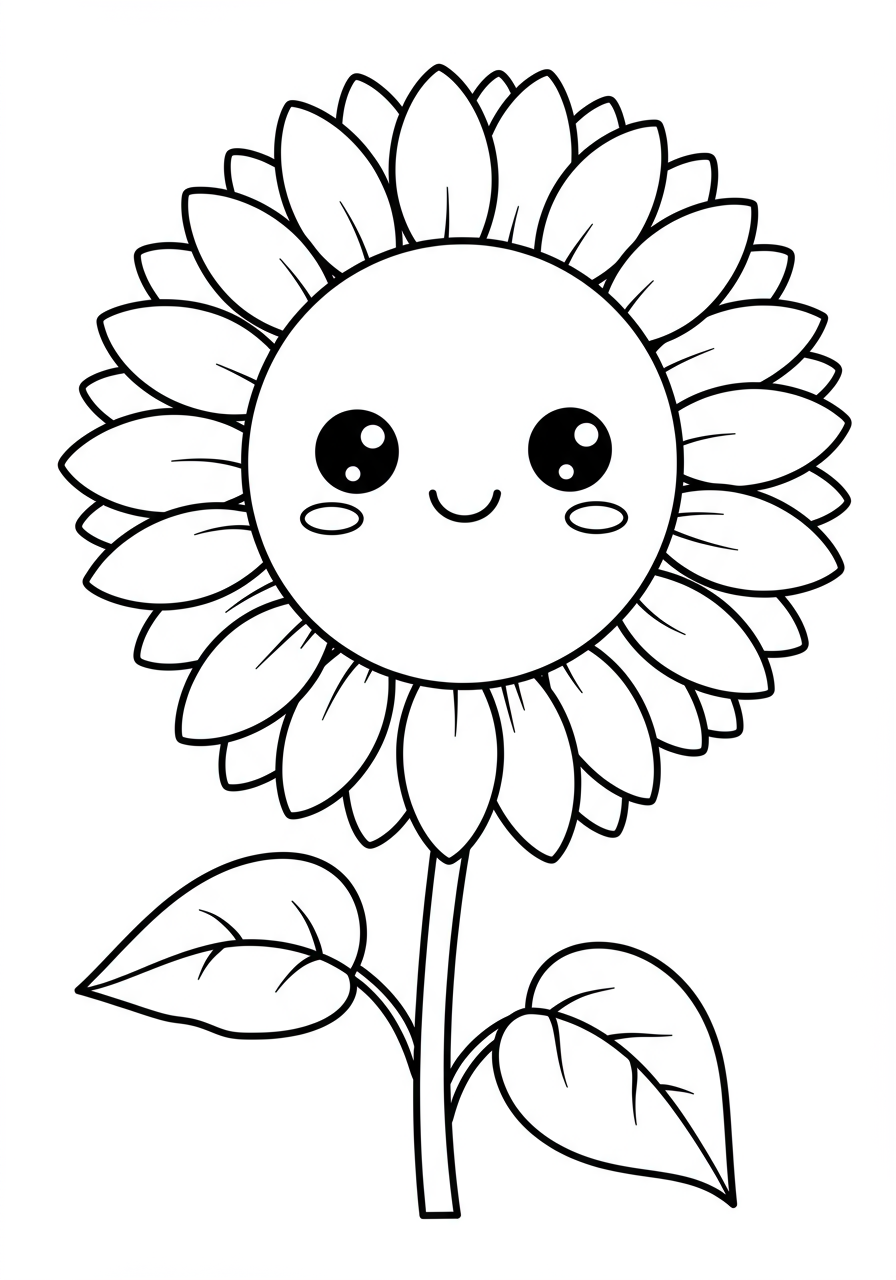
Nature pages come alive with soft, blended colors that mimic the real world. For flowers like sunflowers, start with a bright yellow for the petals and add a touch of orange at the base of each petal for warmth and depth. The center disc looks great in dark brown with small yellow dots. Leaves should rarely be a single flat green — try layering two or three shades, starting with a light yellow-green base and adding a deeper forest green for shadow areas near the stem and midrib.
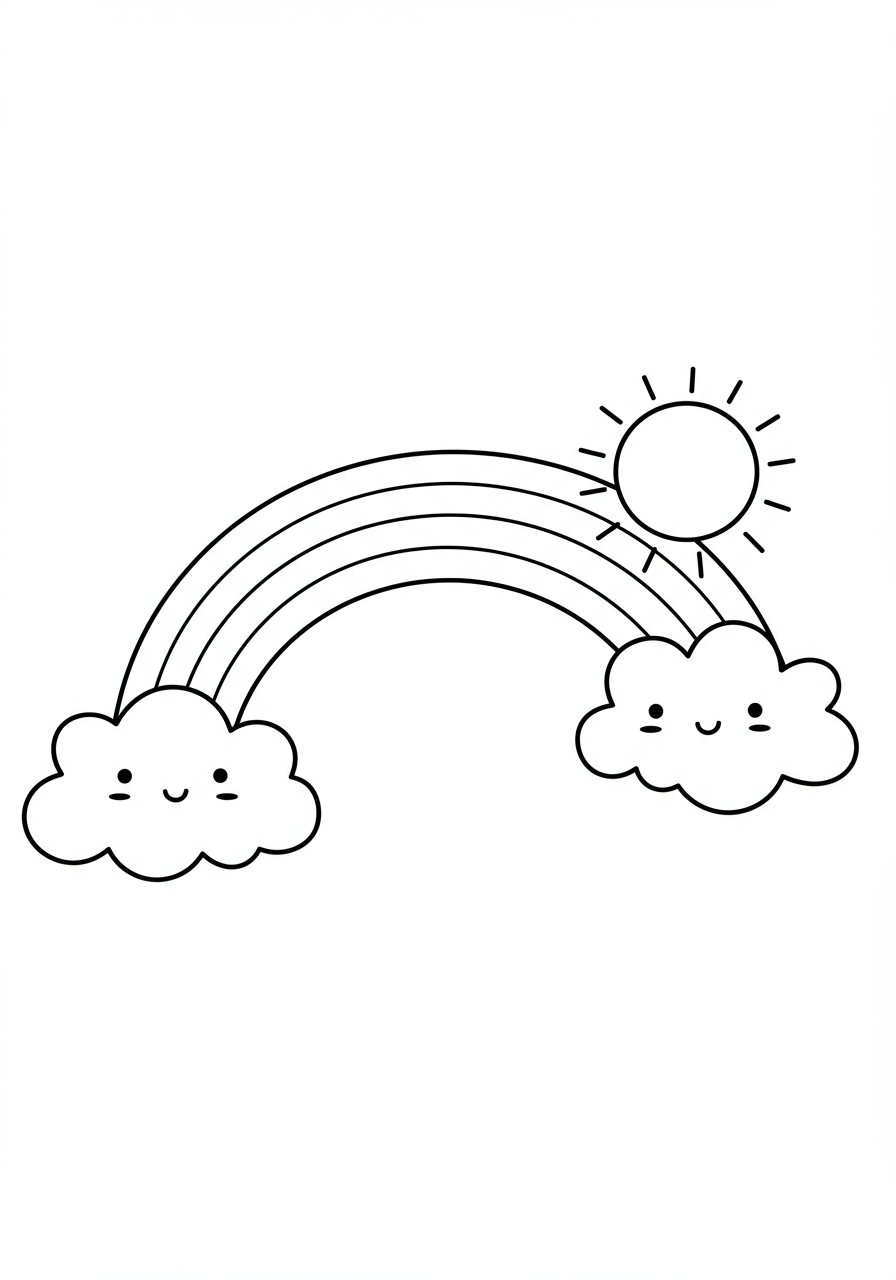
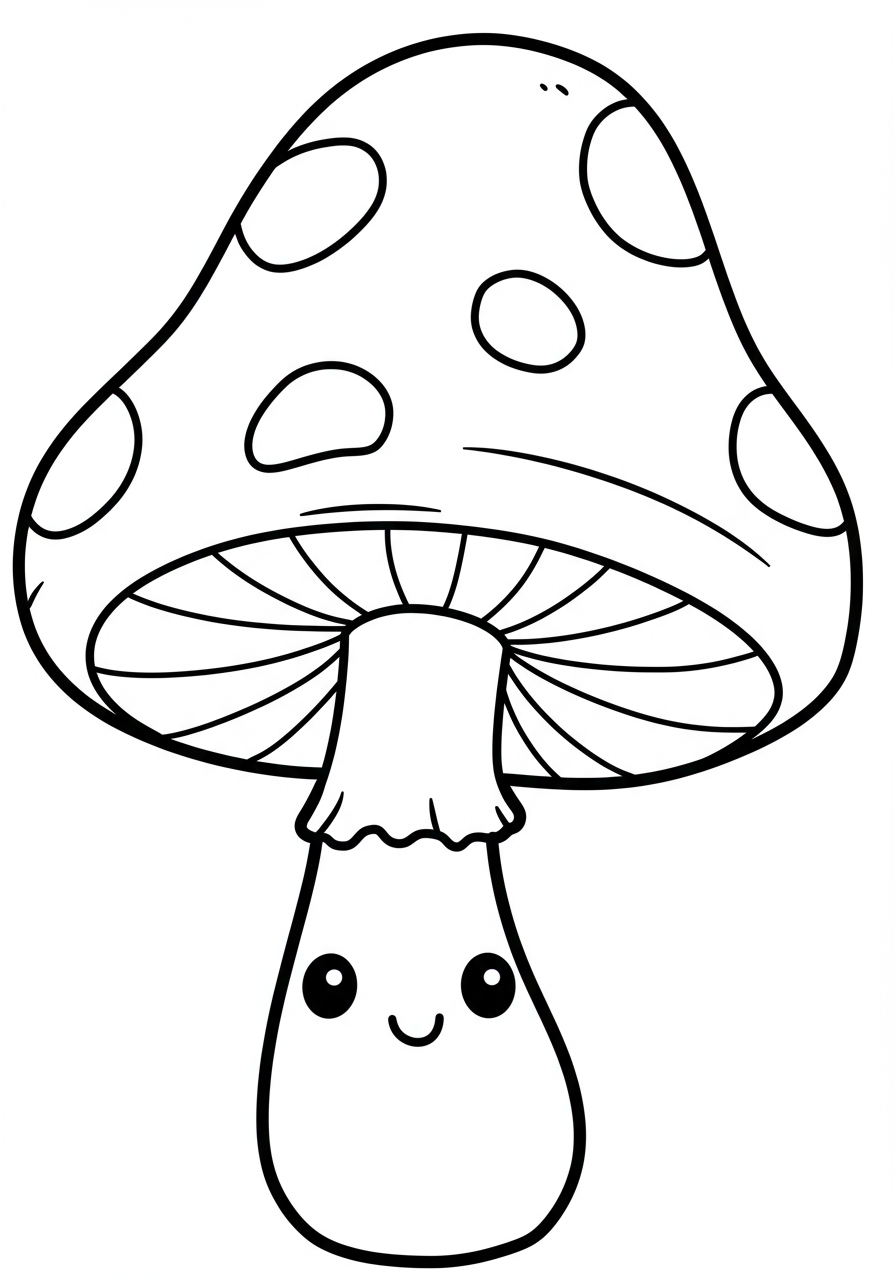
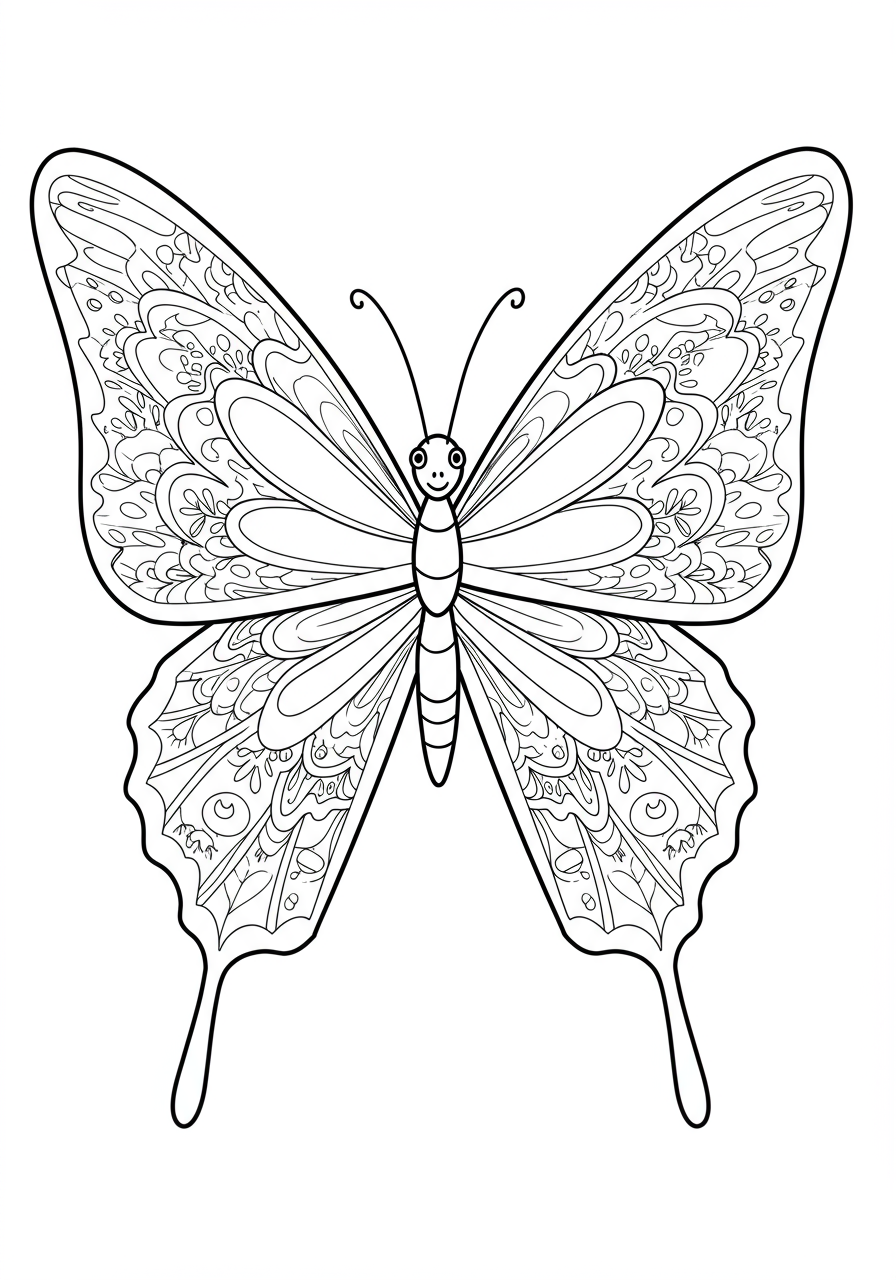
Butterflies are one of the most rewarding nature pages to color because the wings are symmetrical — whatever you do on one side, mirror on the other. Use bold, contrasting colors for maximum impact. Rainbows should follow the classic ROYGBIV sequence — red, orange, yellow, green, blue, indigo, violet — and look best with a light blue sky and soft white clouds around them. Mushrooms look charming with a red cap covered in white spots, or try a golden brown for a more realistic woodland look. Watercolor pencils applied lightly and then blended with a damp brush give nature pages a particularly beautiful, soft finish.
Activity Ideas for Parents & Teachers
- Seasons Project: Color the same nature page four times using different seasonal color palettes — spring pastels, summer brights, autumn oranges, winter blues — and display them side by side.
- Nature Journal: After coloring a plant or insect, write two or three facts about it on the back to create pages for a personal nature journal.
- Butterfly Life Cycle: Use the butterfly page as a starting point to draw and label the four stages of the butterfly life cycle: egg, caterpillar, chrysalis, butterfly.
- Garden Design: Color multiple flower and plant pages, cut them out, and arrange them on a large sheet of paper to design a dream garden layout.
What Kids Learn from Nature Coloring Pages
Nature coloring pages build environmental awareness and scientific curiosity in a gentle, engaging way. Children begin to observe the real world more carefully — noticing the colors of flowers in the garden, the patterns on butterfly wings, the shape of leaves on different trees. These pages naturally lead to conversations about plant biology, insect life cycles, ecosystems, and the importance of protecting the natural world. Early nature awareness is one of the strongest predictors of adult environmental stewardship.
About these Nature Coloring Pages
Nature-themed coloring pages have a uniquely calming effect that makes them ideal for children who need to wind down, refocus, or transition between activities. The organic shapes of flowers, trees, and butterflies encourage gentle, flowing pencil movements and give children the freedom to experiment with a wide range of colors. Nature coloring also builds environmental awareness: as children carefully color a sunflower or a butterfly, they naturally become more curious about how these living things grow, what they eat, and how they fit into the world around them.
These nature coloring sheets are suitable for children aged 3 and up, and are particularly popular in school settings for science or art lessons tied to seasons, plants, or ecosystems. Print on standard A4 or letter-size paper. Watercolor paints are a wonderful choice for nature pages — they naturally blend and bleed in ways that mimic the soft tones of real flowers and leaves. Colored pencils are excellent for precise details like butterfly wing patterns and flower petals. For a fun extra activity, after coloring the butterfly, look up what species it resembles and learn about where it lives!