How to Color Dinosaur Pages
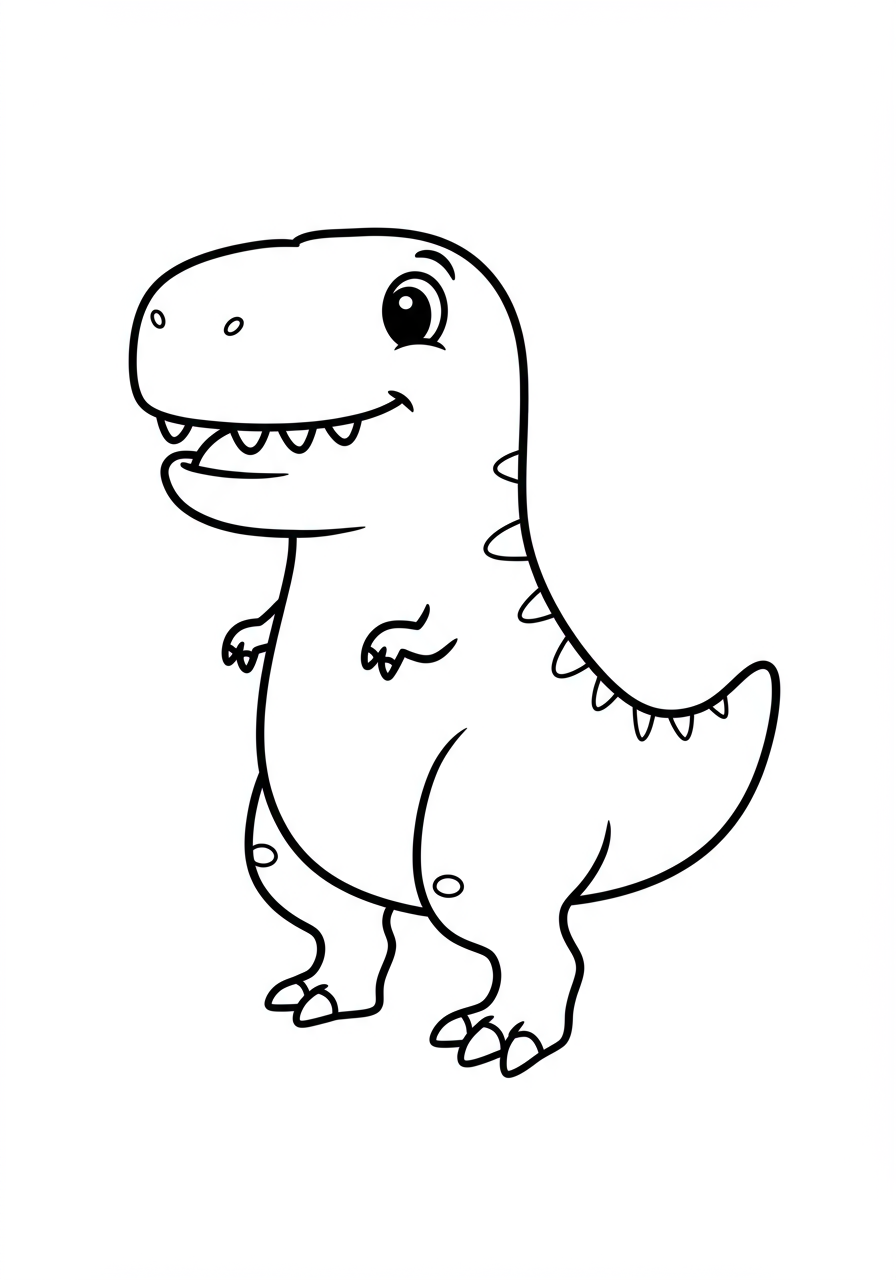
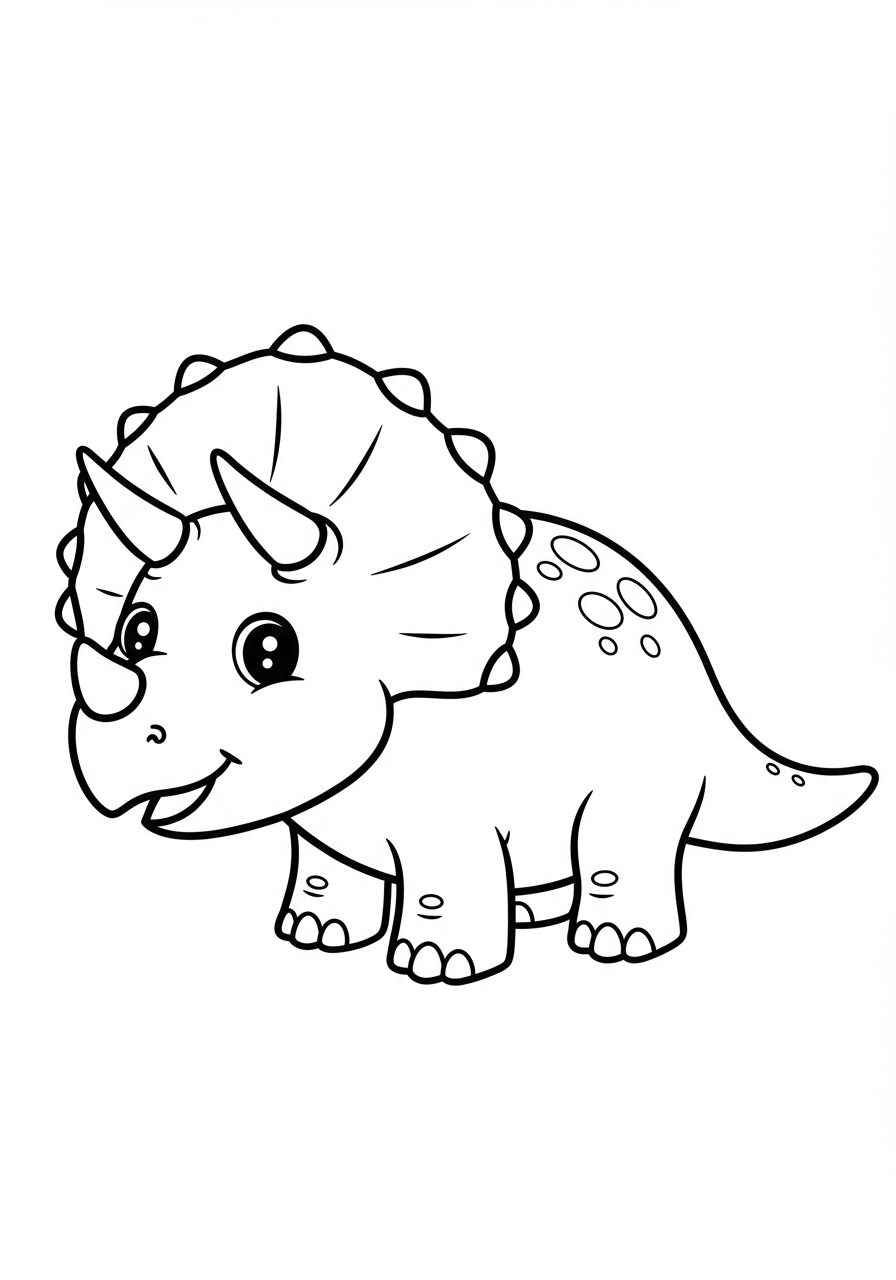
No one knows exactly what color dinosaurs were, which makes these pages a perfect canvas for imagination! Scientists believe many dinosaurs may have been colorful like birds, so feel free to go bold. For the T-Rex, try a mix of dark green and brown for a classic look, or go wild with bright oranges and reds. The Triceratops looks great with a grey or olive body and a brightly colored frill — use yellow, red, or even purple for the frill to make it pop.
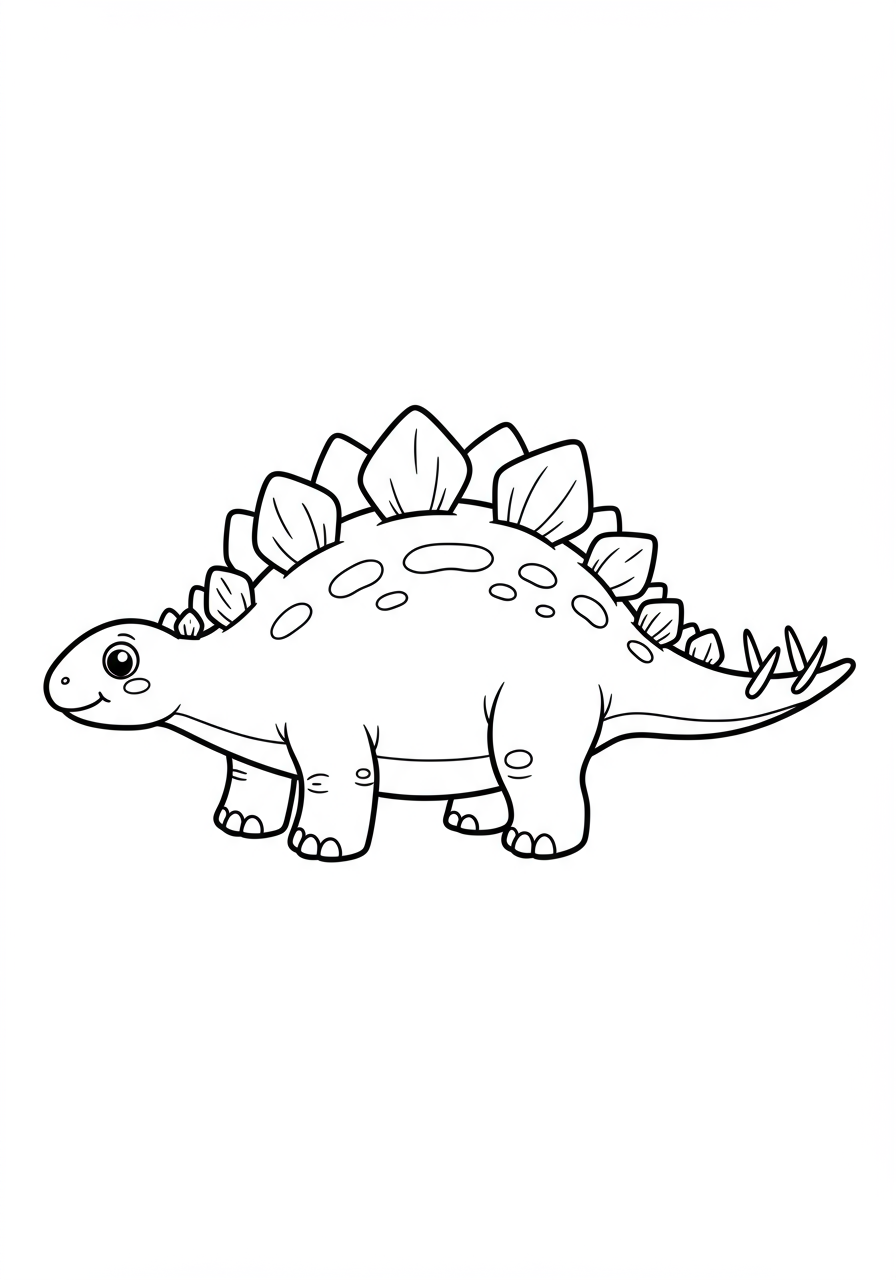
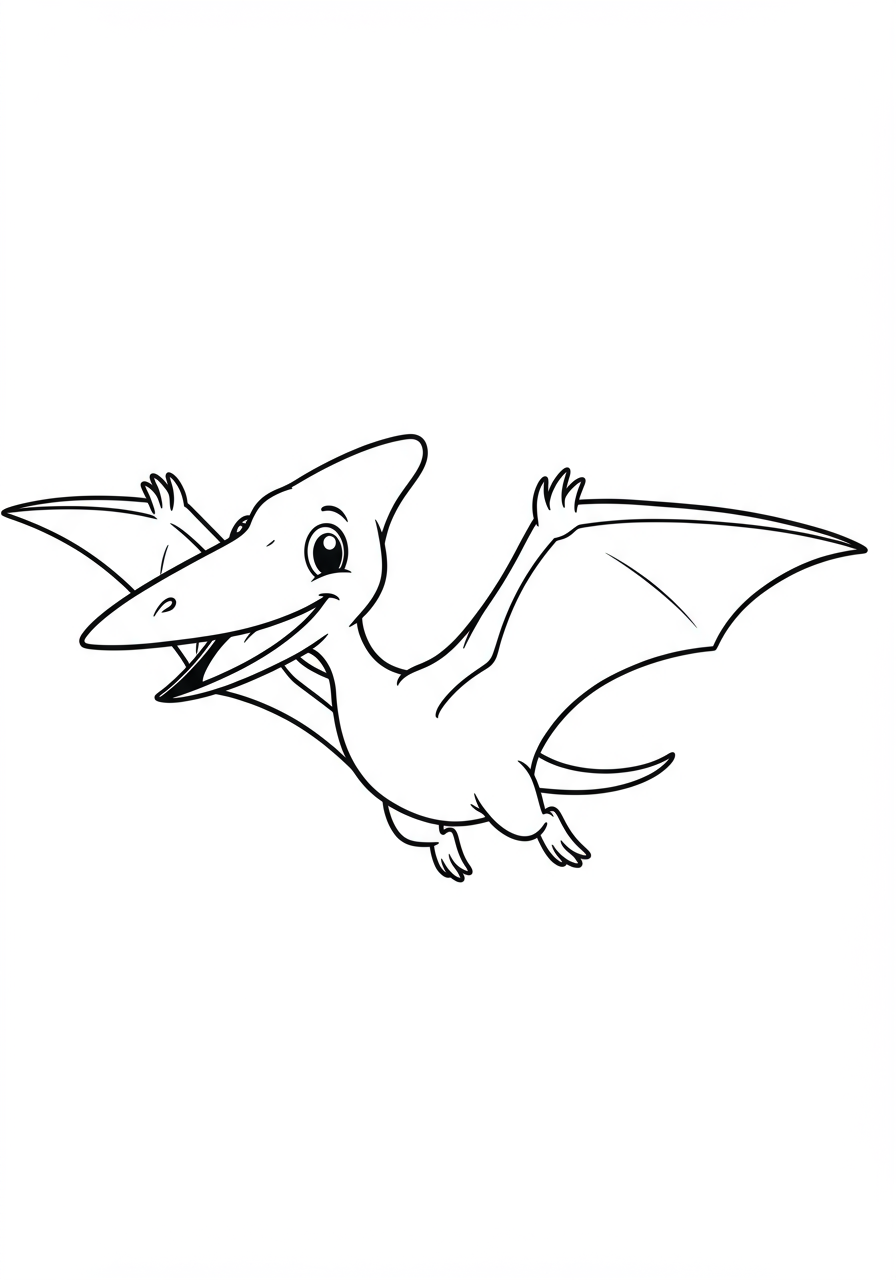
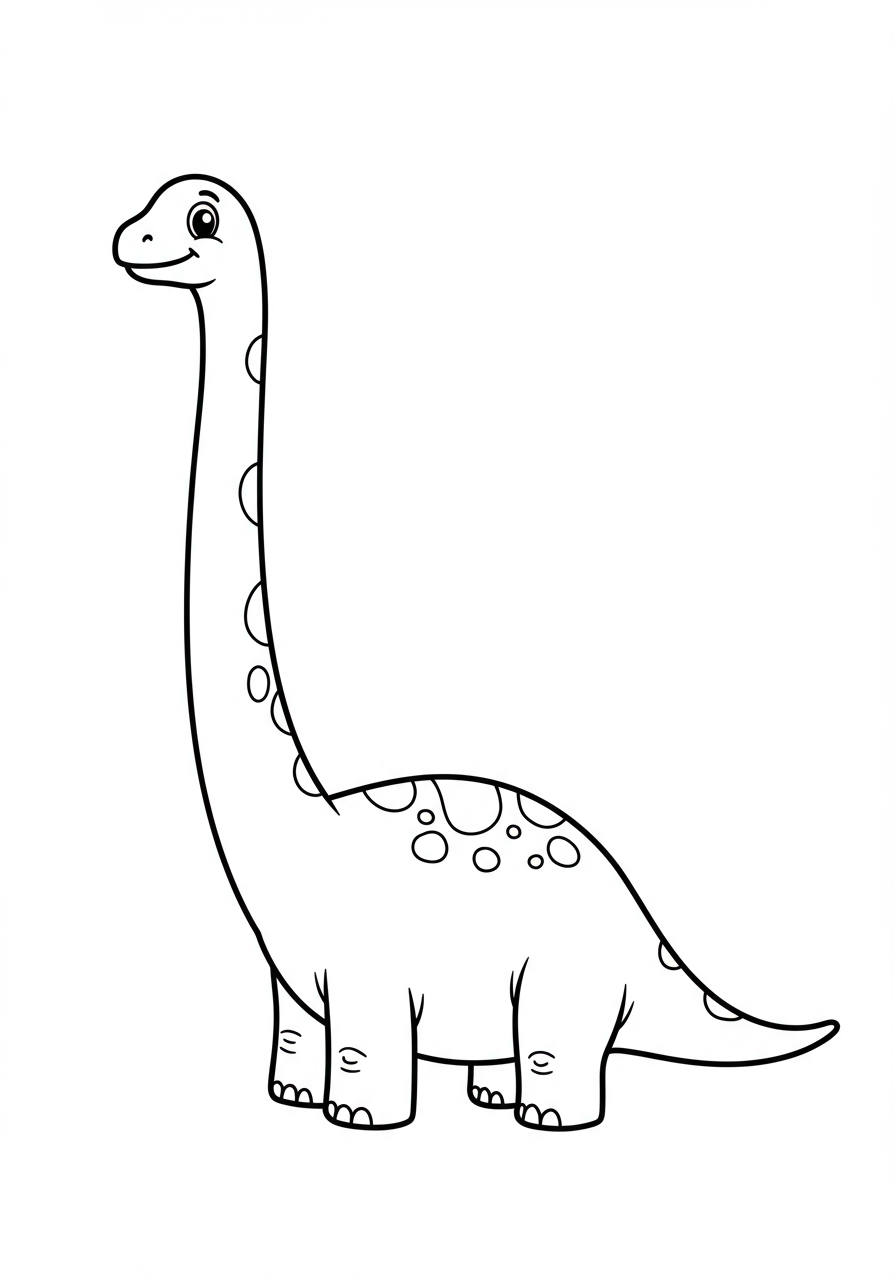
For the Brachiosaurus, try a sandy brown or muted green with darker spots or stripes along the back. The Pterodactyl looks dramatic in dark brown or black with a bright orange beak. The Stegosaurus is fun because of its back plates — color each plate a different color for a rainbow effect. Use short pencil strokes to suggest scaly skin texture, and layer two shades of the same color for depth. Add a prehistoric landscape in the background — a volcano, ferns, or a swamp — to complete the scene.
Activity Ideas for Parents & Teachers
- Dino Name & Facts Label: After coloring, write the dinosaur's name, what it ate (herbivore or carnivore), and when it lived below the image to create a mini dinosaur encyclopedia page.
- Prehistoric Diorama: Color and cut out multiple dinosaurs, then arrange them in a shoebox diorama with drawn or printed prehistoric plants and rocks.
- Herbivore vs. Carnivore Sort: Print several dinosaur pages and have kids sort the colored pages into two groups — plant-eaters and meat-eaters — and discuss how you can tell the difference.
- Dinosaur Size Chart: Look up the real sizes of each dinosaur and draw a size comparison chart on a large sheet of paper, using the colored dinosaurs as reference.
What Kids Learn from Dinosaur Coloring Pages
Dinosaur coloring pages are one of the richest educational tools for young children. They introduce concepts from paleontology, geology, and biology in a completely natural, play-based way. Children learn the names and characteristics of different species — the three horns of the Triceratops, the long neck of the Brachiosaurus, the wings of the Pterodactyl. They begin to grasp the concept of extinction and deep time, and they develop an early appreciation for science and natural history. Many professional scientists trace their love of science back to a childhood fascination with dinosaurs.
About these Dinosaur Coloring Pages
Dinosaur coloring pages combine children's natural fascination with prehistoric creatures and the proven developmental benefits of artistic activity. Filling in the complex body shapes of a T-Rex or Triceratops requires concentration, patience, and precise hand control — all of which strengthen the neural pathways involved in writing and reading. The subject matter also naturally encourages curiosity: children who color dinosaurs often start asking questions about history, science, and how animals lived, making these pages a great springboard for learning.
These dinosaur coloring sheets are ideal for children aged 4 to 12. Younger children will enjoy the bold, simple silhouettes, while older kids can add detailed texture, shading, and creative background scenes like volcanoes and jungles. Print on standard A4 or letter-size white paper for the sharpest outlines. Colored pencils are especially well-suited to these pages, as they allow for subtle blending of scales and skin textures. Try layering two or three shades of green, brown, or blue to create a truly realistic prehistoric look!