How to Color Animal Pages
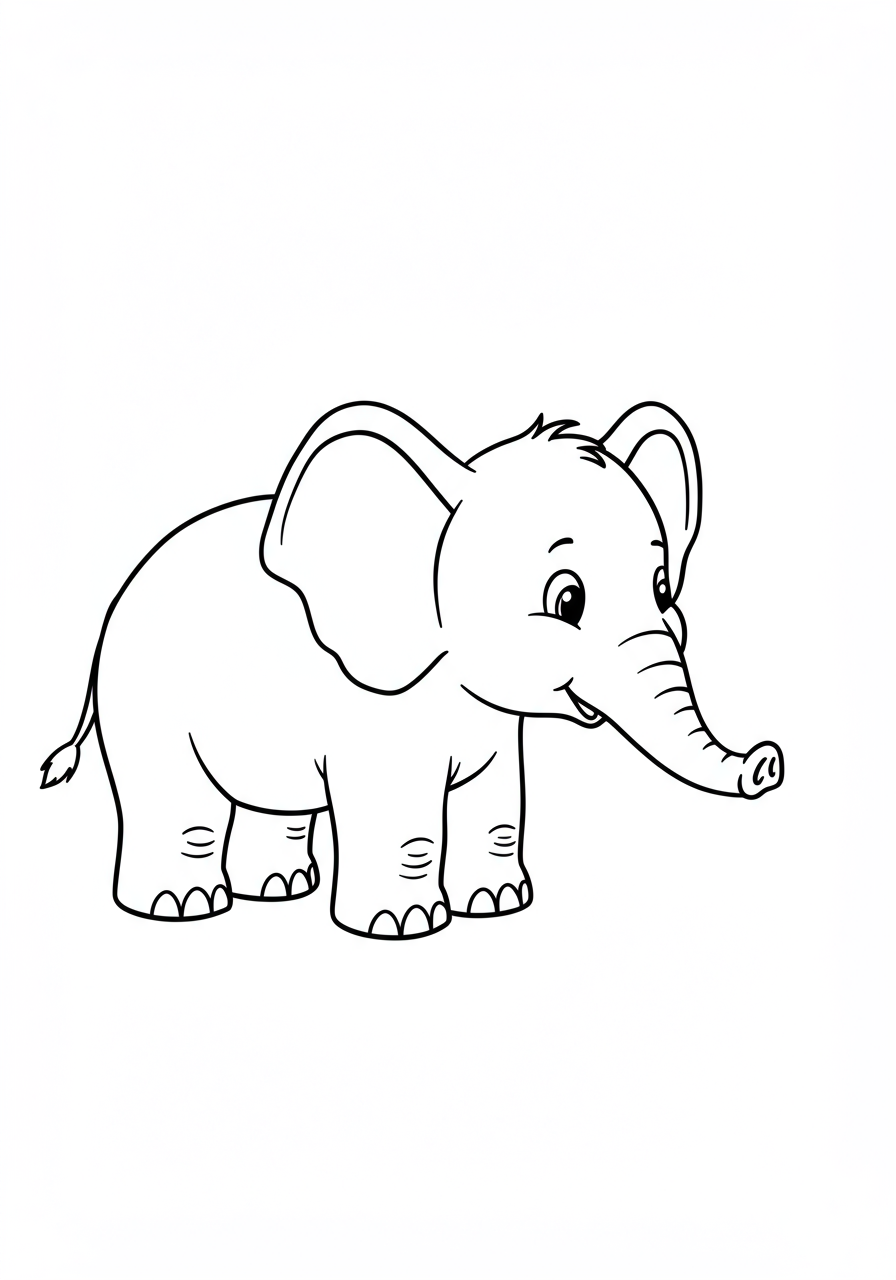
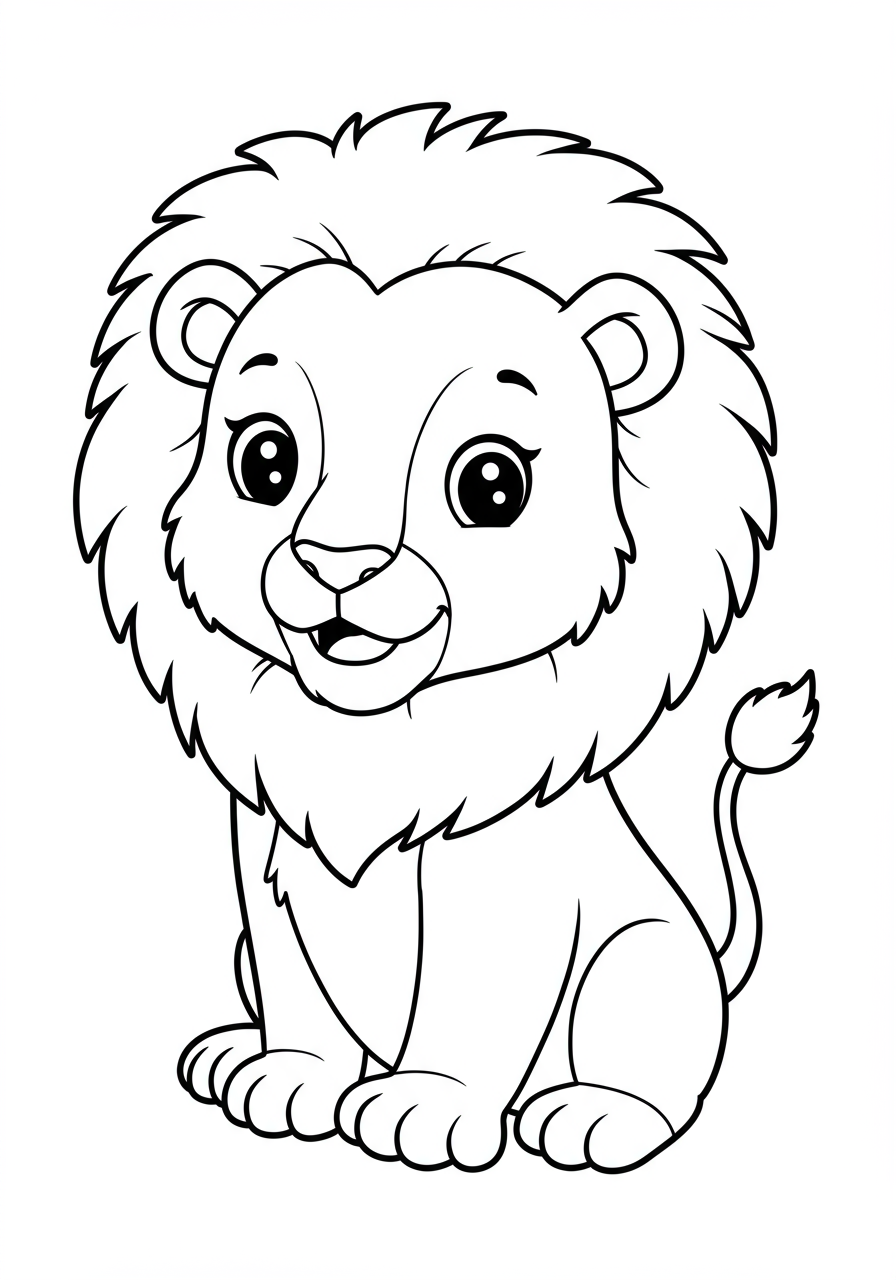
Getting great results from your animal coloring pages is easier than you think. Start by choosing a light base color for the animal's body — for example, tan or golden yellow for a lion, or grey for an elephant. Apply this color lightly across the whole body before adding darker shades in shadow areas like under the belly, behind the ears, and under the chin. This layering technique gives your animal a three-dimensional, realistic look.
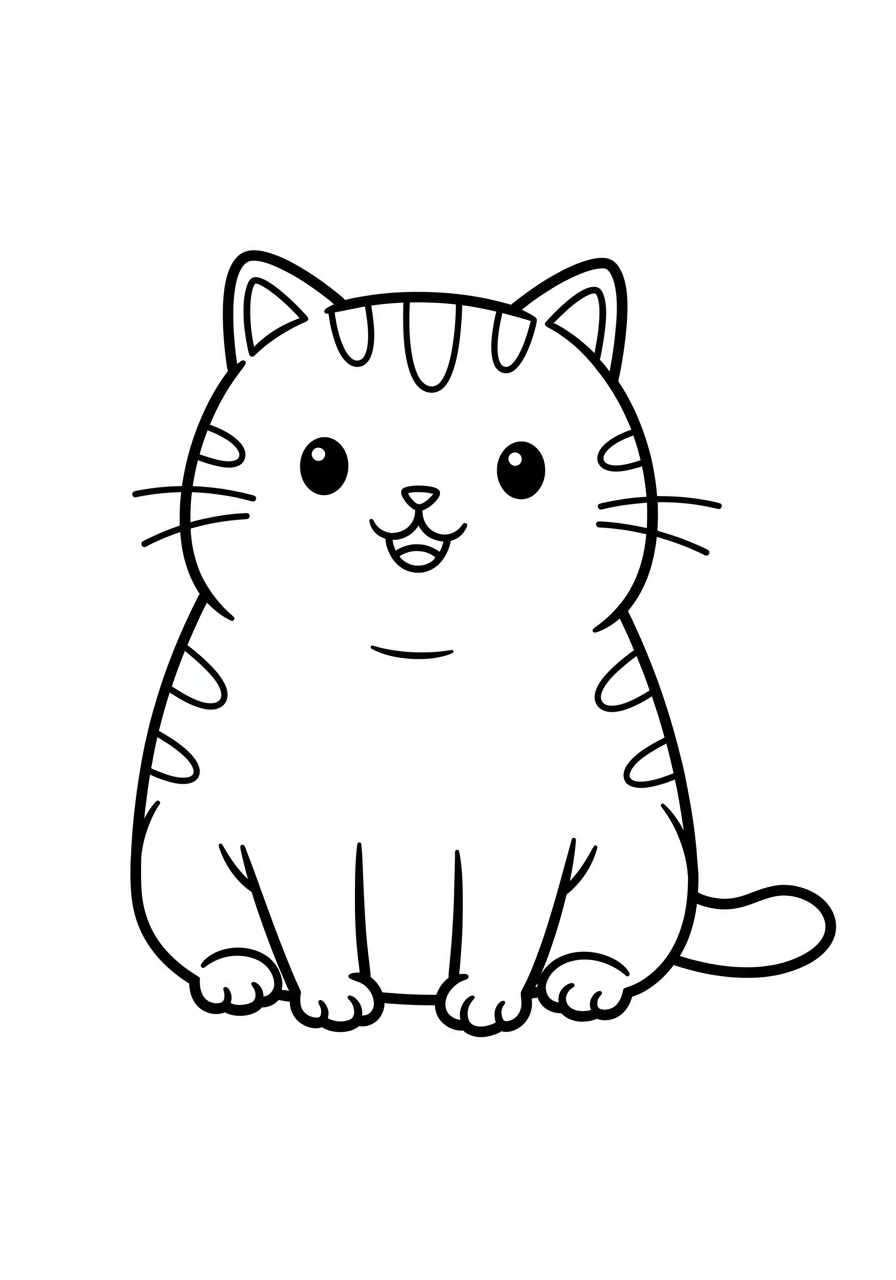
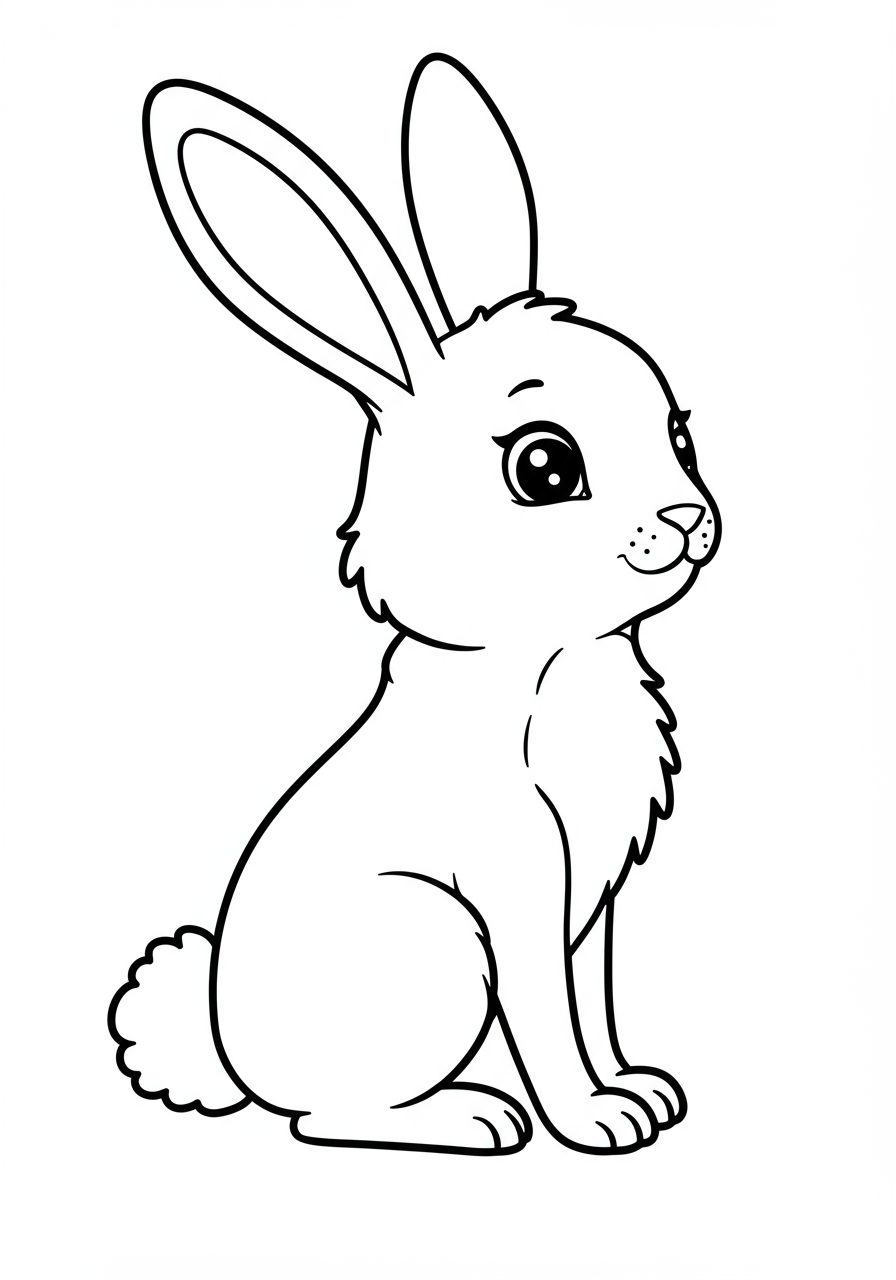
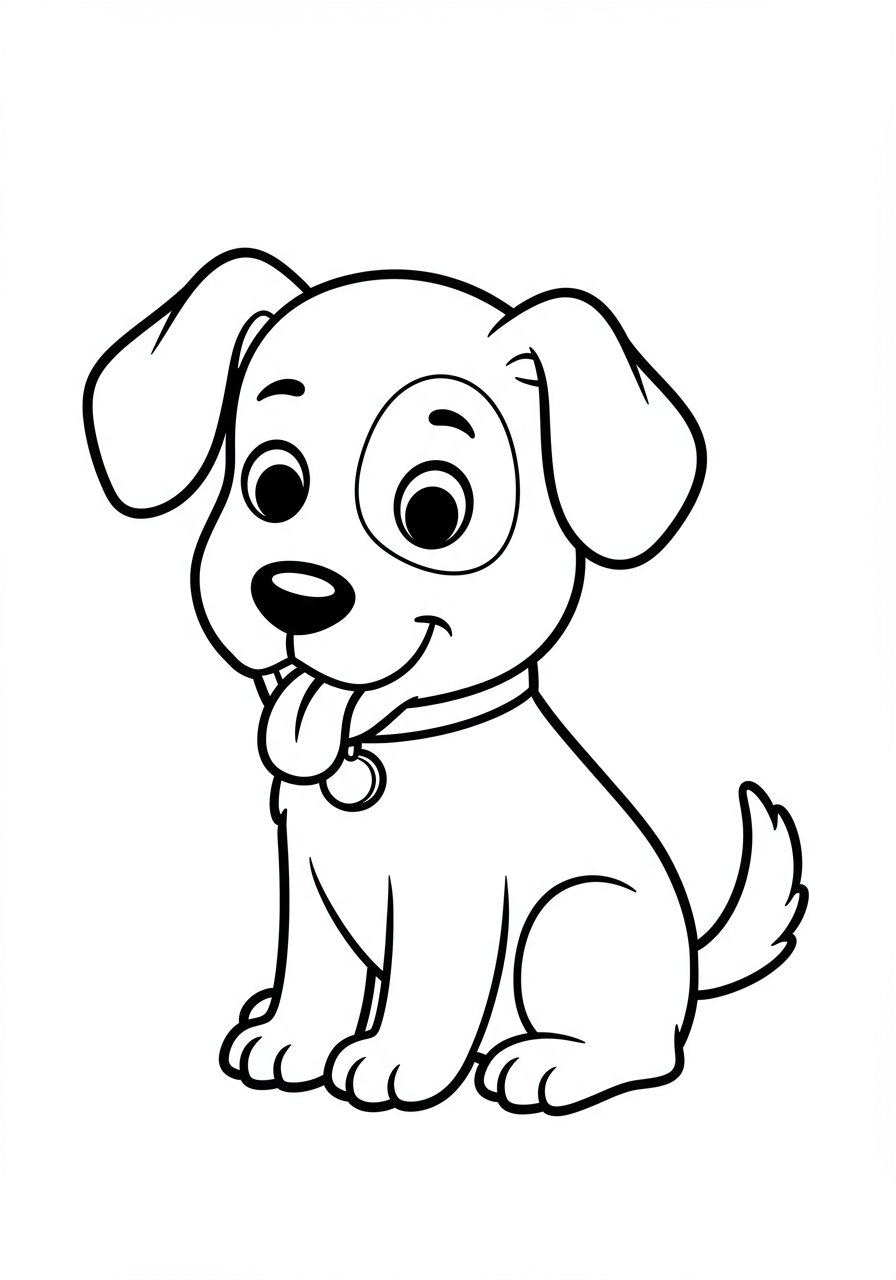
For animals with fur like cats, dogs, and rabbits, try short strokes in the direction the fur grows rather than filling in solidly. For smooth-skinned animals like elephants, blend colors gently in circular motions. Always color the eyes last — a small white dot highlight in the pupil makes the animal look alive. Add a simple background like grass, a jungle, or a sky to turn your coloring page into a complete scene your child will be proud to display.
Activity Ideas for Parents & Teachers
- Animal Habitat Project: After coloring, cut out the animal and glue it onto a hand-drawn or printed habitat scene — a savanna for the lion, an ocean for the whale, a forest for the rabbit.
- Animal Fact Cards: Have kids write one interesting fact about each animal on the back of the coloring page to create their own animal fact card collection.
- Rainbow Animals: Encourage creativity by coloring animals in impossible, imaginative colors — a purple elephant, a rainbow lion — to spark discussion about imagination vs. reality.
- Classroom Zoo: Pin completed animals on a bulletin board arranged by continent or habitat to build a classroom "world zoo" display.
What Kids Learn from Animal Coloring Pages
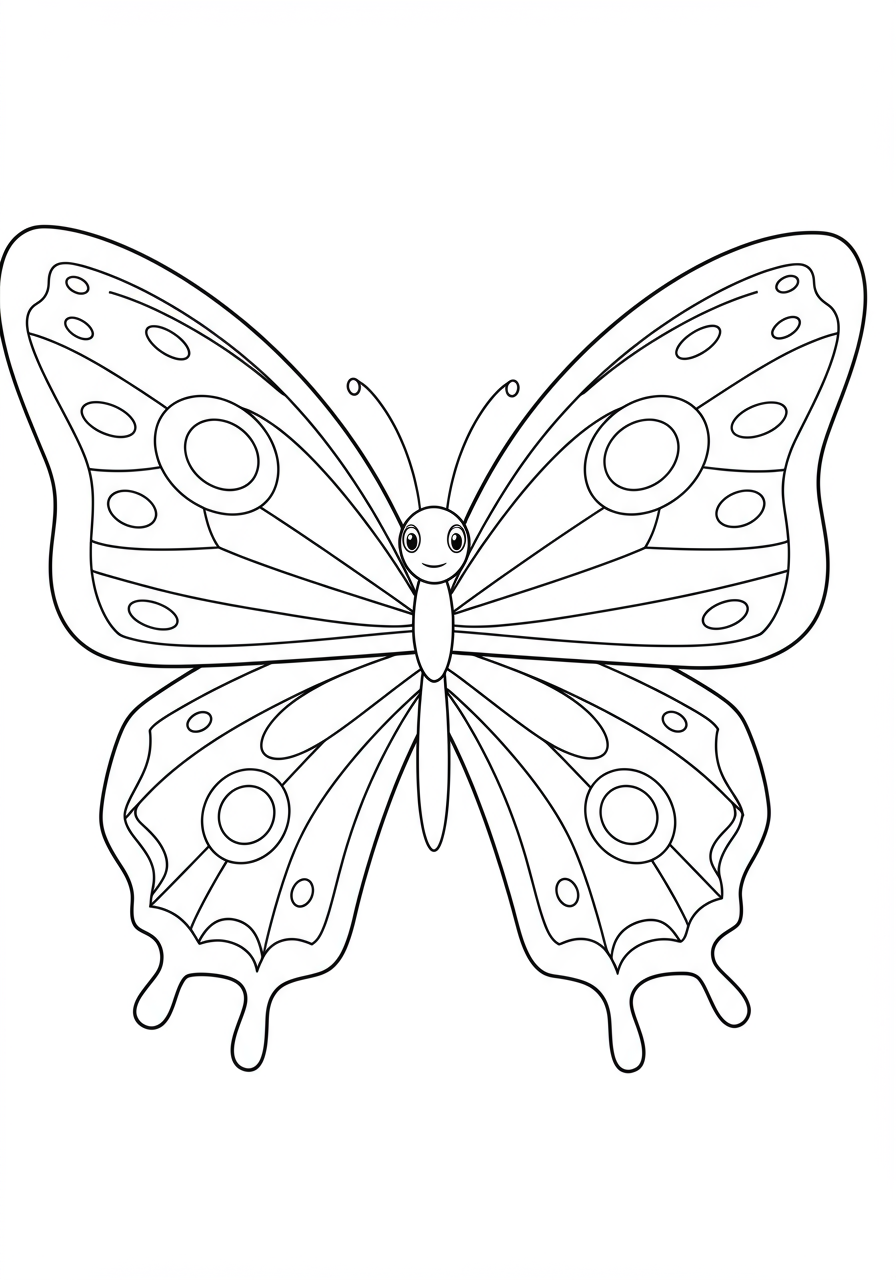
Animal coloring pages are rich learning tools. While children focus on staying within the lines, they are absorbing information about animal anatomy — the shape of claws, the size of ears, the texture of skin or fur. Discussing each animal as you color builds vocabulary and knowledge about the natural world. Children learn that lions are mammals, butterflies are insects, and elephants are the largest land animals. These conversations lay the groundwork for science education and environmental awareness from a very young age.
About these Animal Coloring Pages
Animal coloring pages are a wonderful way to spark a child's curiosity about the natural world. As kids carefully fill in the details of a lion's mane or an elephant's wrinkled skin, they build patience, focus, and fine motor control. Research shows that children who engage in creative activities like coloring are better able to regulate their emotions and develop longer attention spans — skills that carry over into reading and schoolwork.
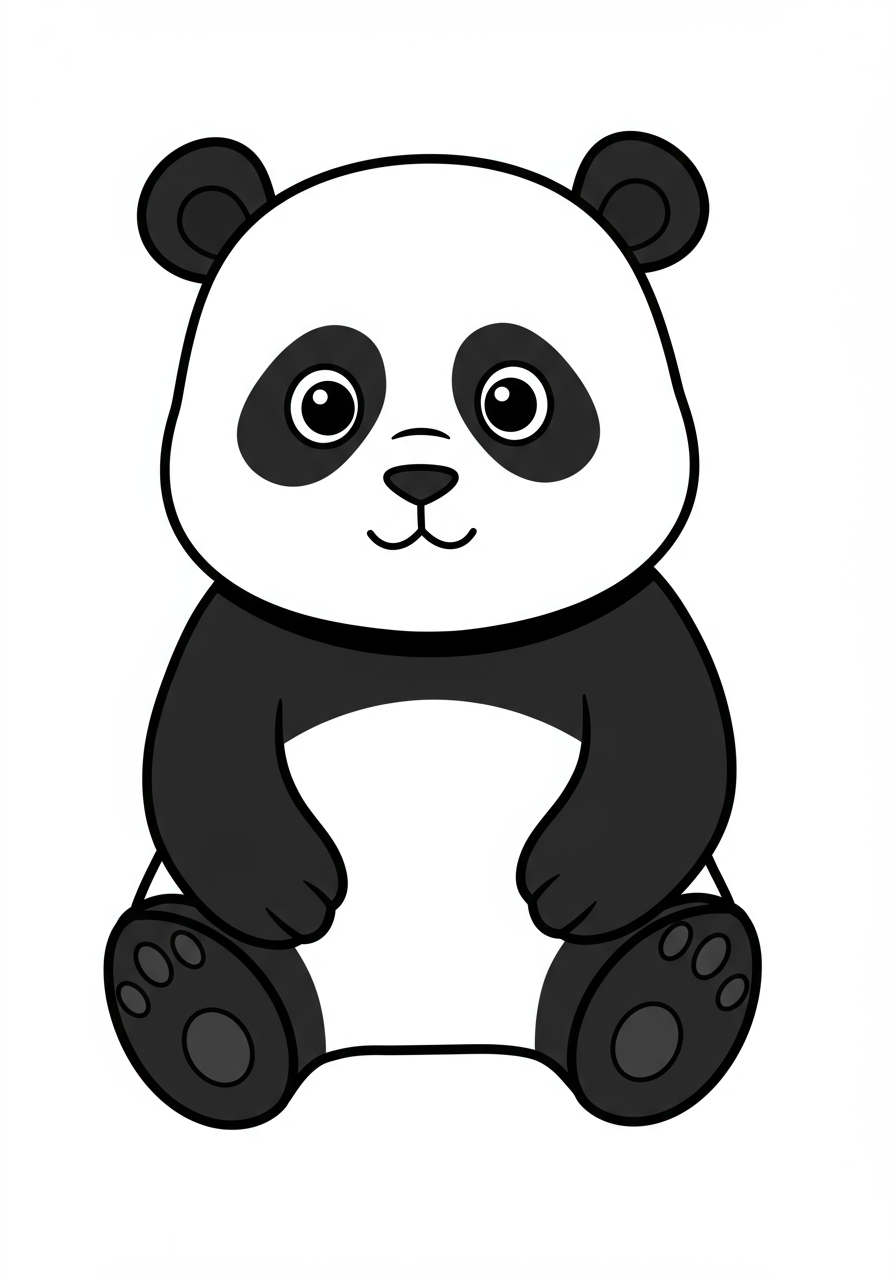
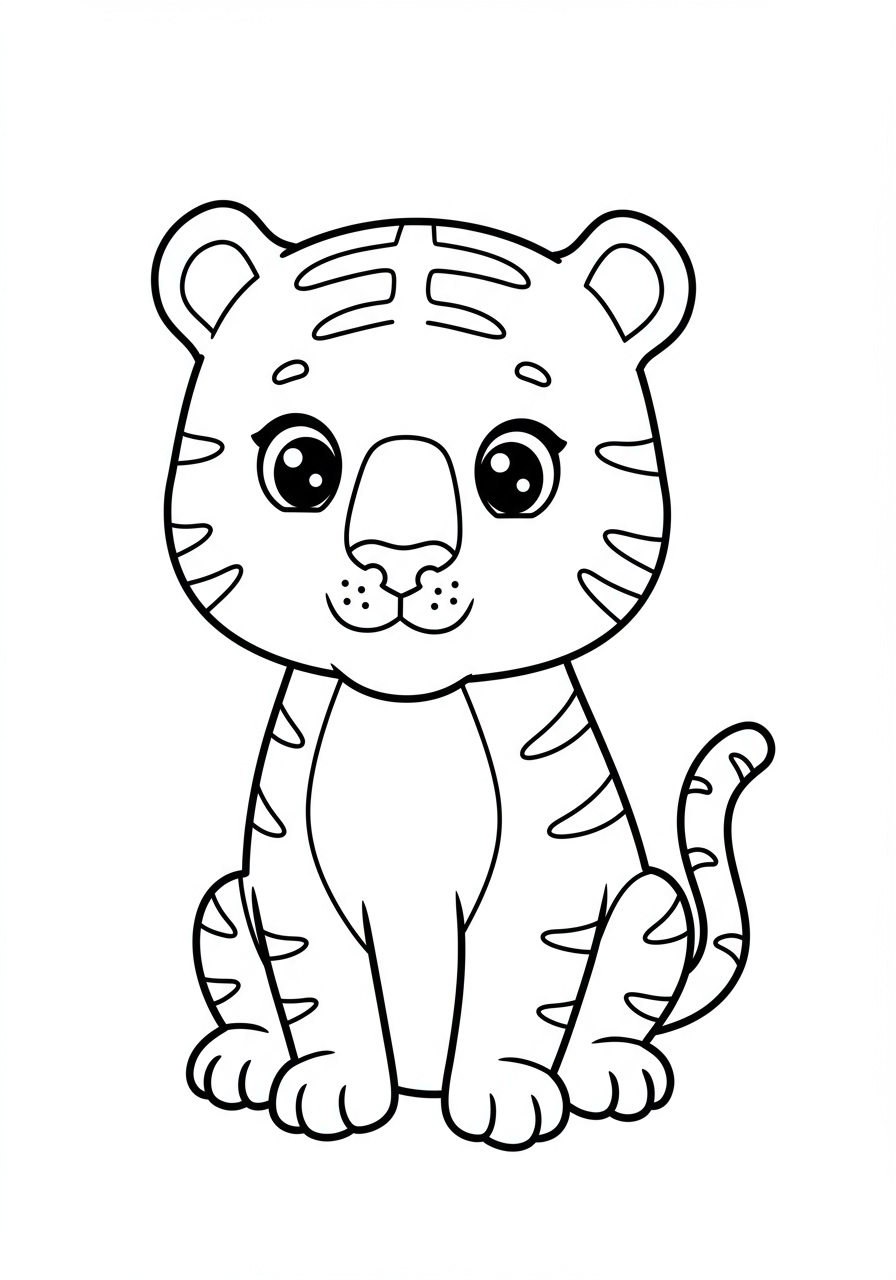
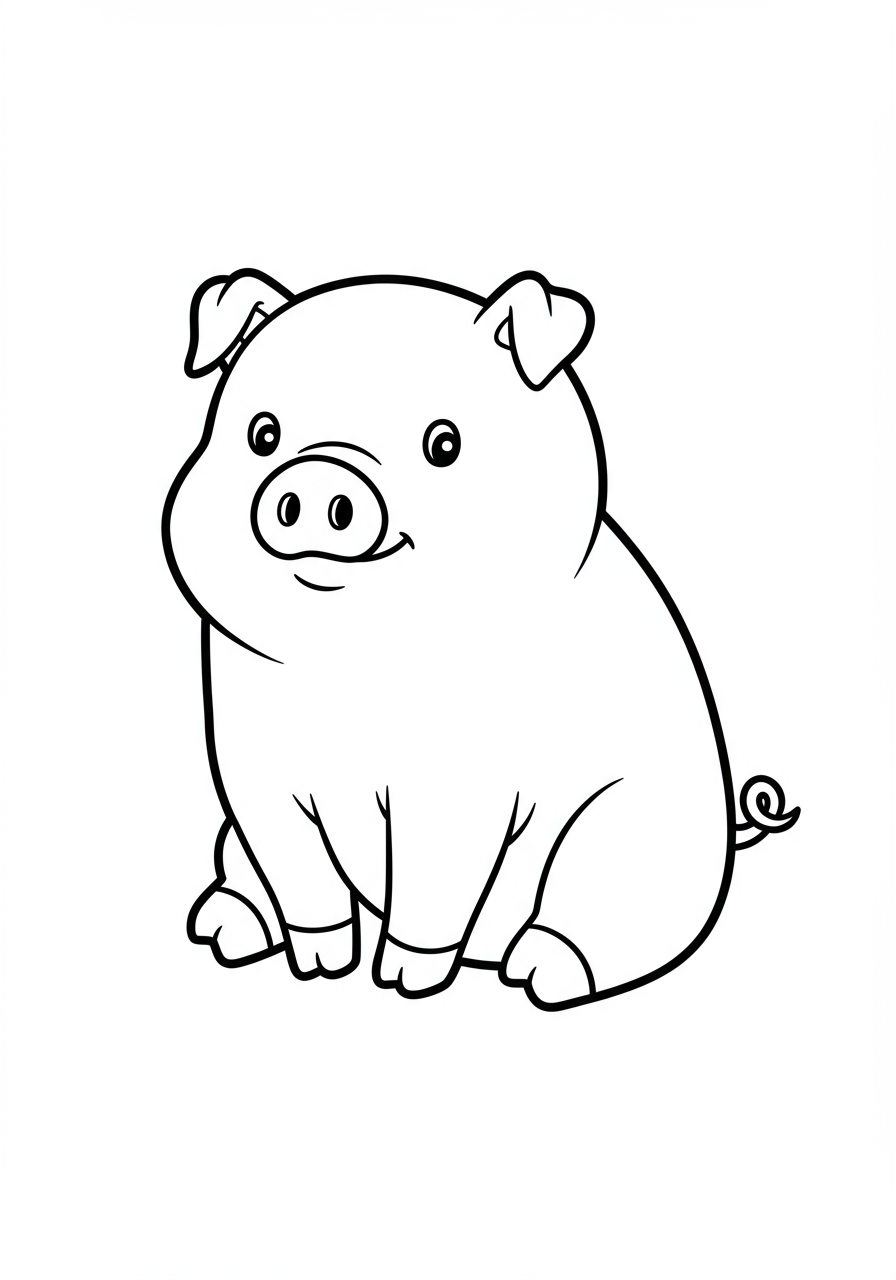
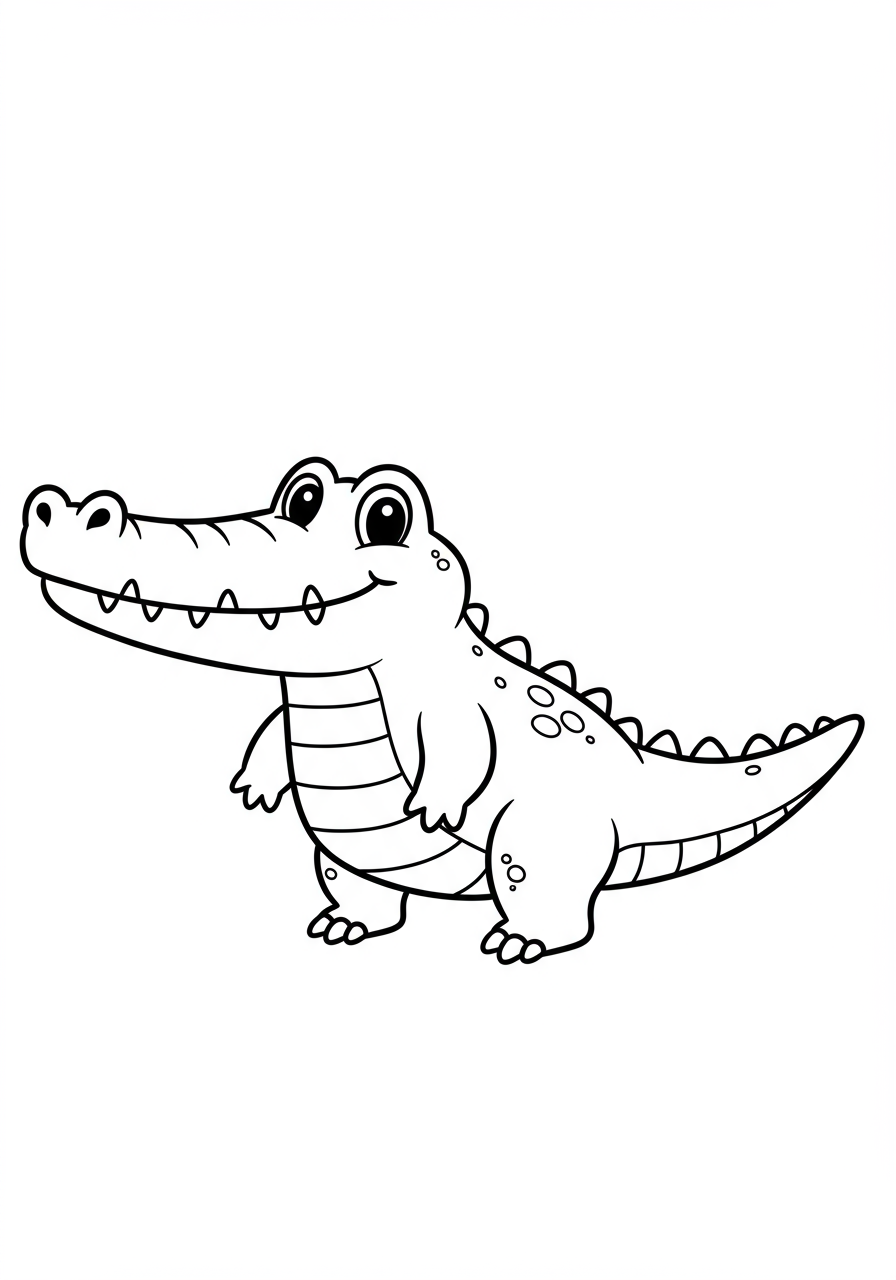
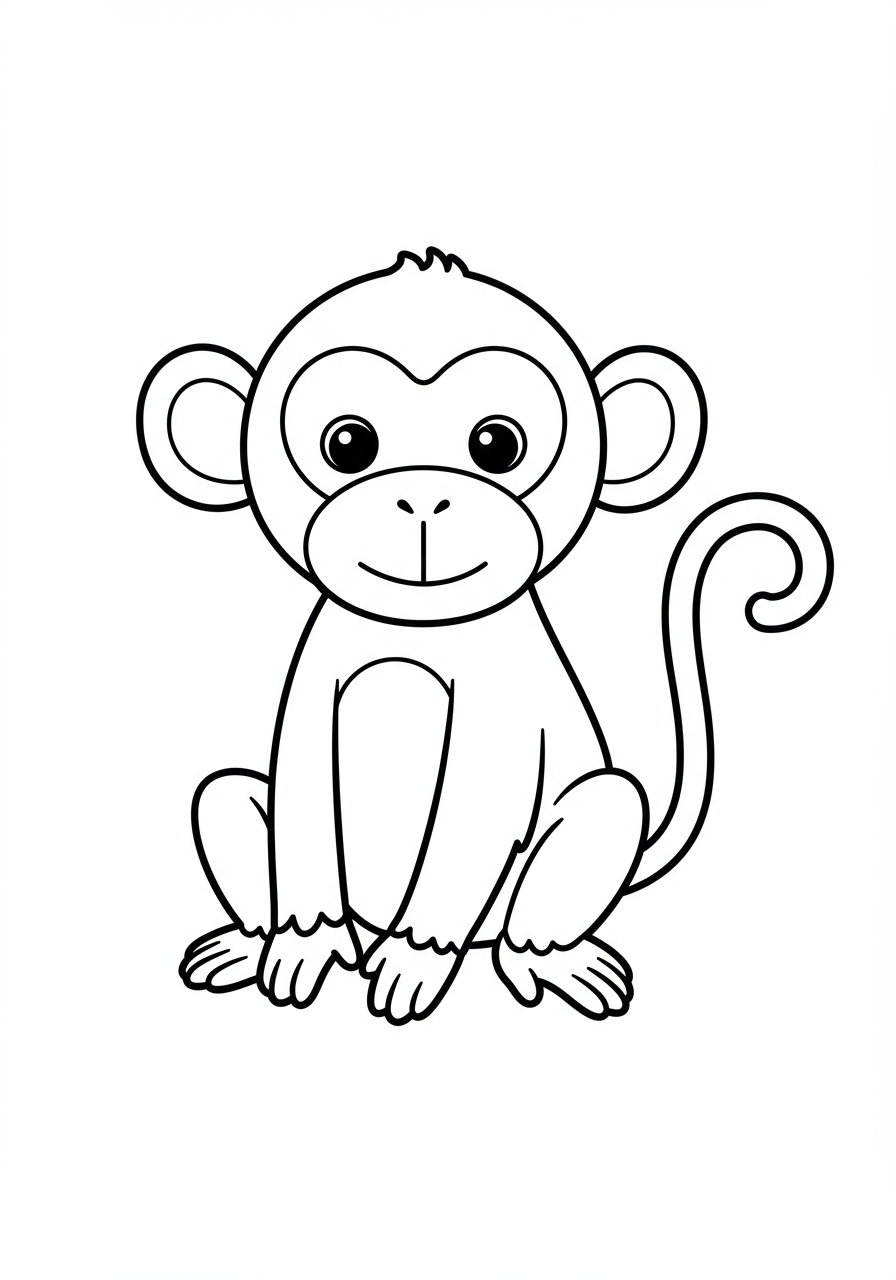
These animal coloring sheets are designed for children aged 4 and up. The clear, bold outlines are easy to follow even for younger kids, while the detailed patterns in some images offer a satisfying challenge for older children. Print on standard A4 or letter paper using any home printer. Colored pencils work beautifully for blending fur textures, while markers give bold, vibrant results. For a fun activity, try coloring the same animal twice using completely different color schemes!